BLNKD Studio

Edit Template

What Is the 60-30-10 Rule in UX Design? | UX Color Guide

Learn what the 60-30-10 rule in UX design is, how it improves usability and conversions, and how to apply it to websites, apps, and landing pages.

BLNKD STUDIO

What Is the 60-30-10 Rule in UX Design?

The 60-30-10 rule in UX design is a color distribution principle used to create visual balance and hierarchy in interfaces.

It divides your color palette into three parts:

60% – Primary color

30% – Secondary color

10% – Accent color

This rule originated in interior design but has become a best practice in UX/UI design, especially for websites and apps where clarity and usability are critical.

By following this rule, designers ensure that no single color overwhelms the interface while still guiding user attention naturally.

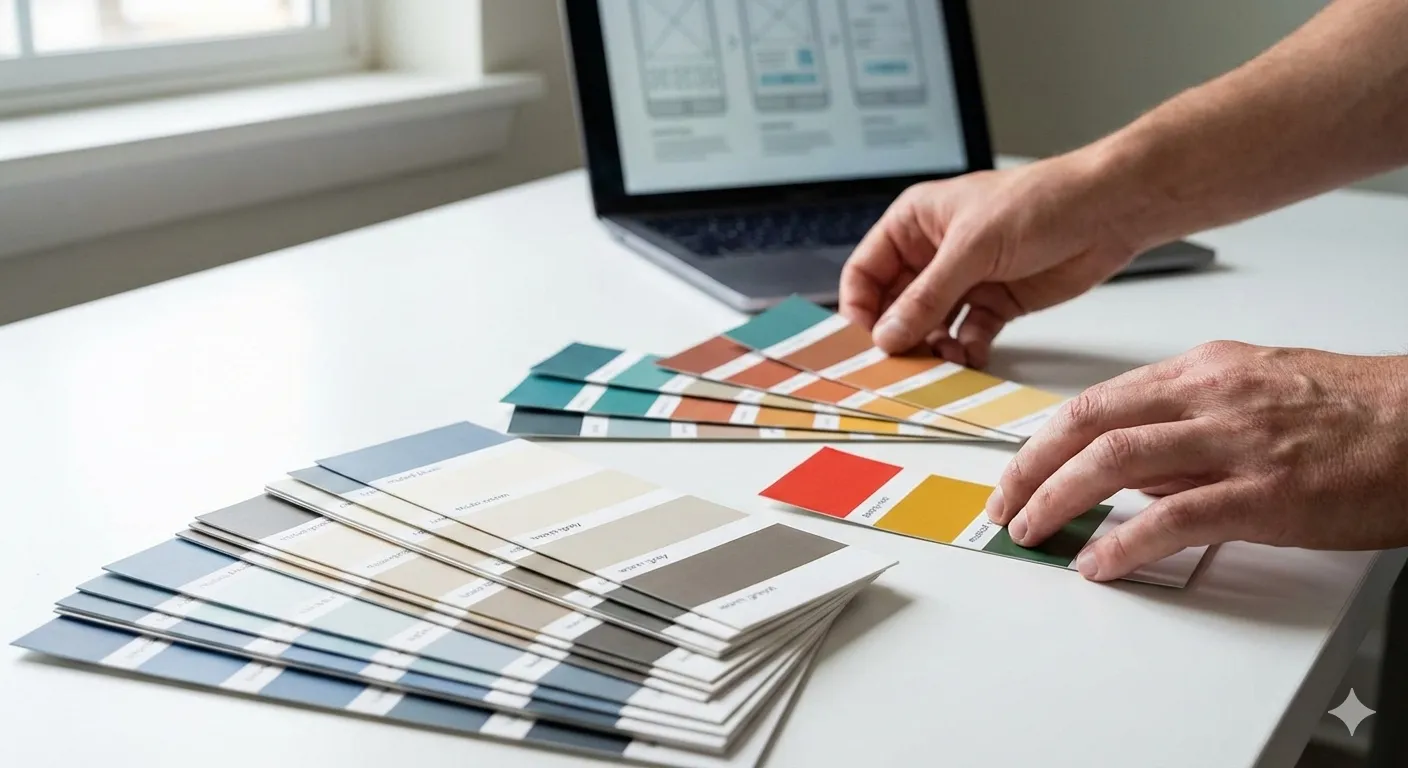
website wireframe design laptop color swatches

Why the 60-30-10 Rule Matters for User Experience

A balanced color system directly impacts how users perceive, understand, and interact with a product.

The 60-30-10 rule improves UX by:

Clear visual hierarchy

Easy-to-scan interfaces

Reduced cognitive load

Stronger CTAs

tablet touchscreen web design teal orange
mobile menu mockup laptop screen
website footer dark mode orange button

Understanding the 60%, 30%, and 10% in UX Color Design

10% – Accent Color

The accent color is used sparingly to draw attention to key elements.

Common uses:

  • Call-to-action buttons

  • Icons

  • Links

  • Highlights

This 10% is what drives interaction and conversions.

30% – Secondary Color

The secondary color adds contrast and supports the primary color without overpowering it.

Common uses:

  • Cards and panels

  • Navigation bars

  • Side sections

60% – Primary Color

This is the dominant color used for backgrounds and large UI areas. It sets the overall tone and mood of the interface and should be neutral or easy on the eyes.

Common uses:

  • Page backgrounds

  • Main sections

  • Large containers

How to Apply the 60-30-10 Rule to Websites and Interfaces

Applying the 60-30-10 rule in UX design is straightforward:

1

Choose a primary color that aligns with your brand and works well as a background

2

Select a secondary color that contrasts but complements the primary color

3

Pick a bold accent color for actions and emphasis

4

Apply colors consistently across all pages and components

5

Test readability, contrast, and accessibility

This approach works especially well for landing pages, SaaS platforms, portfolios, and business websites.

colorful website layout red x error

Mistakes When Using the 60-30-10

Even though the rule is simple, designers often misuse it. Common mistakes include:

  • Using too many accent colors instead of one

  • Making the accent color too dominant

  • Ignoring contrast and accessibility standards

  • Applying the rule inconsistently across pages

  • Choosing colors that clash with brand identity

Remember, the goal is balance—not strict math.

How the 60-30-10 Rule Impacts Branding, Accessibility, and Conversions

When used correctly, the 60-30-10 rule strengthens:

Conversions

Accent colors guide users toward actions like sign-ups, purchases, and contact forms—directly improving conversion rates.

Branding

Consistent color usage reinforces brand recognition and trust.

Accessibility

Clear contrast improves readability for all users, including those with visual impairments.

Usability

Structured color usage helps users navigate interfaces more intuitively.

business dashboard multiple charts laptop pointing
tablet stylus web interface design

When to Break or Adapt the 60-30-10 Rule in UX Design

While the 60-30-10 rule is a strong guideline, it’s not a strict law.

You may adapt or break it when:

  • Designing minimal or monochrome interfaces

  • Working with data-heavy dashboards

  • Creating experimental or artistic layouts

  • Following strict brand color limitations

Experienced designers treat the rule as a foundation, not a limitation.

Why the 60-30-10 Rule Is a UX Essential

The 60-30-10 rule in UX design is one of the simplest ways to improve usability, clarity, and visual appeal.

It helps users navigate interfaces effortlessly while supporting branding and conversions.

graphic design software mood board imac

Whether you’re designing a website, app, or landing page, mastering this rule will instantly elevate your UX decisions.

Want a UX-Focused Website That Converts?

Apply proven UX principles like the 60-30-10 rule to create websites that look great and perform even better.

Let BLNKD Studio bring your brand to life.